2025 was a year of moving between problem spaces.
It began in the Platforms & Reliability team working on infrastructure, site reliability, and IP protection, as the search landscape continued to shift. Alongside that, I joined the FT’s Next Generation Board, paired with a member of the group management board.
Later in the year, my focus shifted again. I was asked to step into the Curation & Loyalty team, spending more time on the FT homepage and working closely with editors on reader experience.
Looking back, the year was shaped less by any one role and more by the connections between them. While I have a few still-percolating thoughts on generalism in product, for now I just wanted to mark the year with a few highlights.
Product in the Newsroom
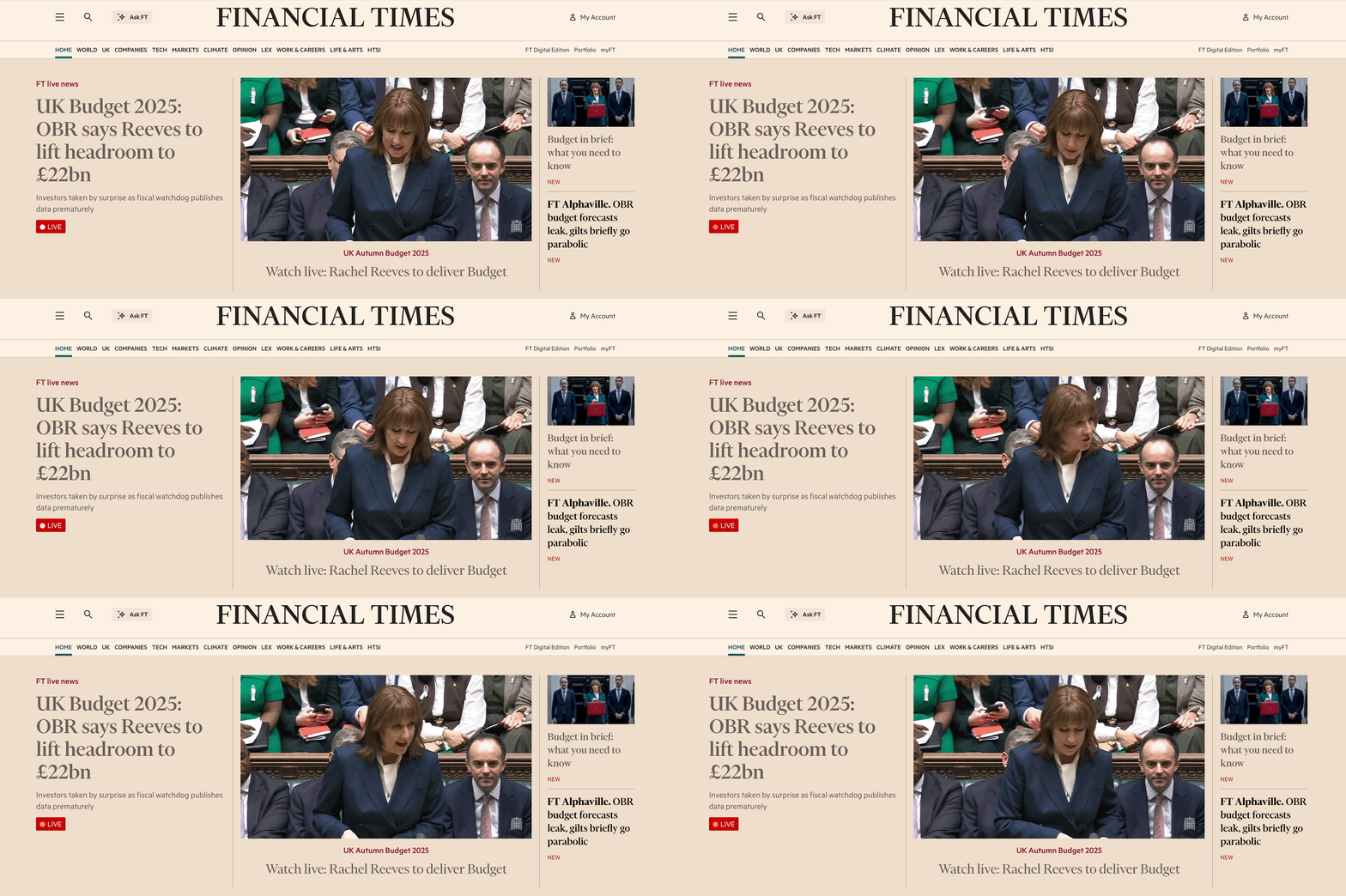
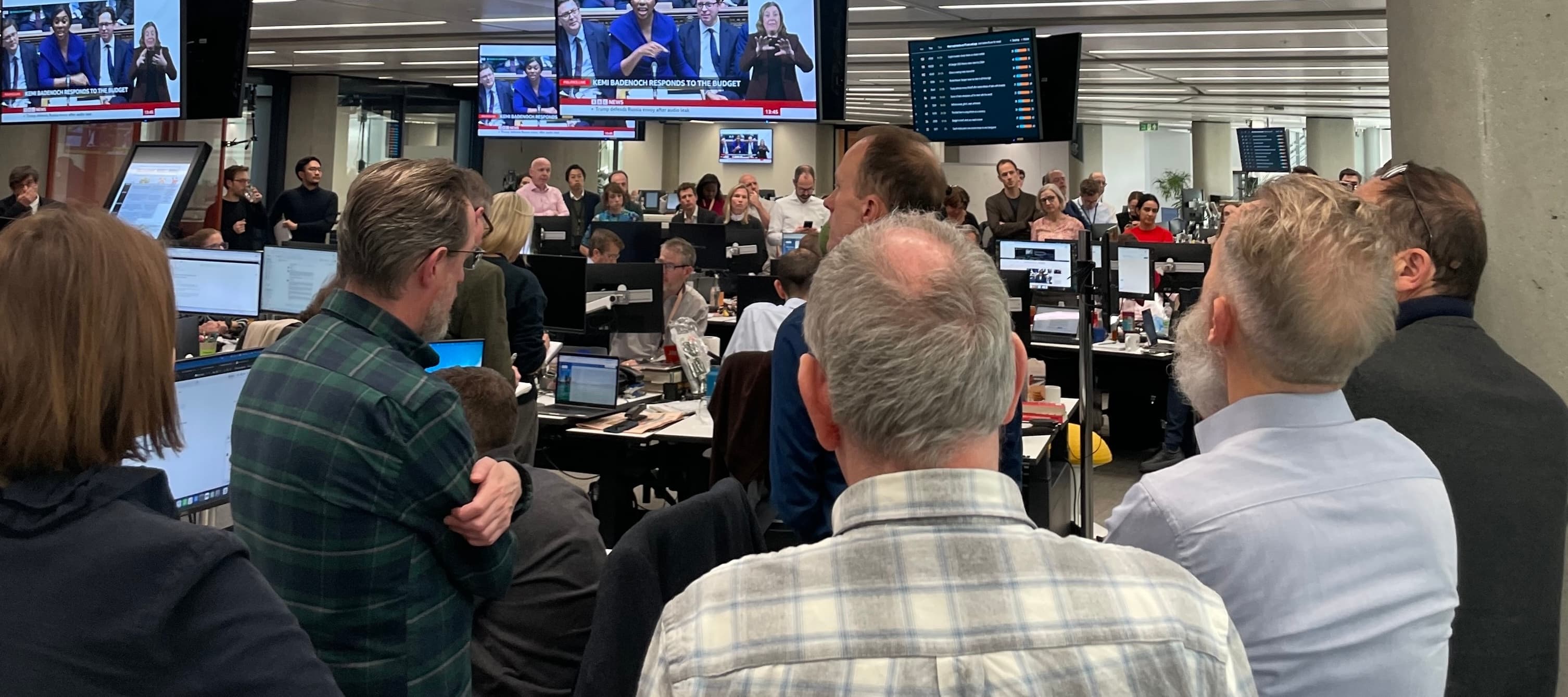
I joined the Curation & Loyalty team, which looks after the FT homepage, in October. That meant the UK Budget day in November was one of the first major moments where the work we’d been shipping was tested in public. I spent the day with the newsdesk, ensuring everything was running smoothly with the homepage and our new livestreaming functionality.
Just before the Chancellor’s speech, the OBR accidentally published the Budget early. Seeing editors and reporters move in sync as the story broke gave a clear insight into how the newsroom operates under pressure, and into the role that product plays in supporting editors — and in turn readers — in those moments.
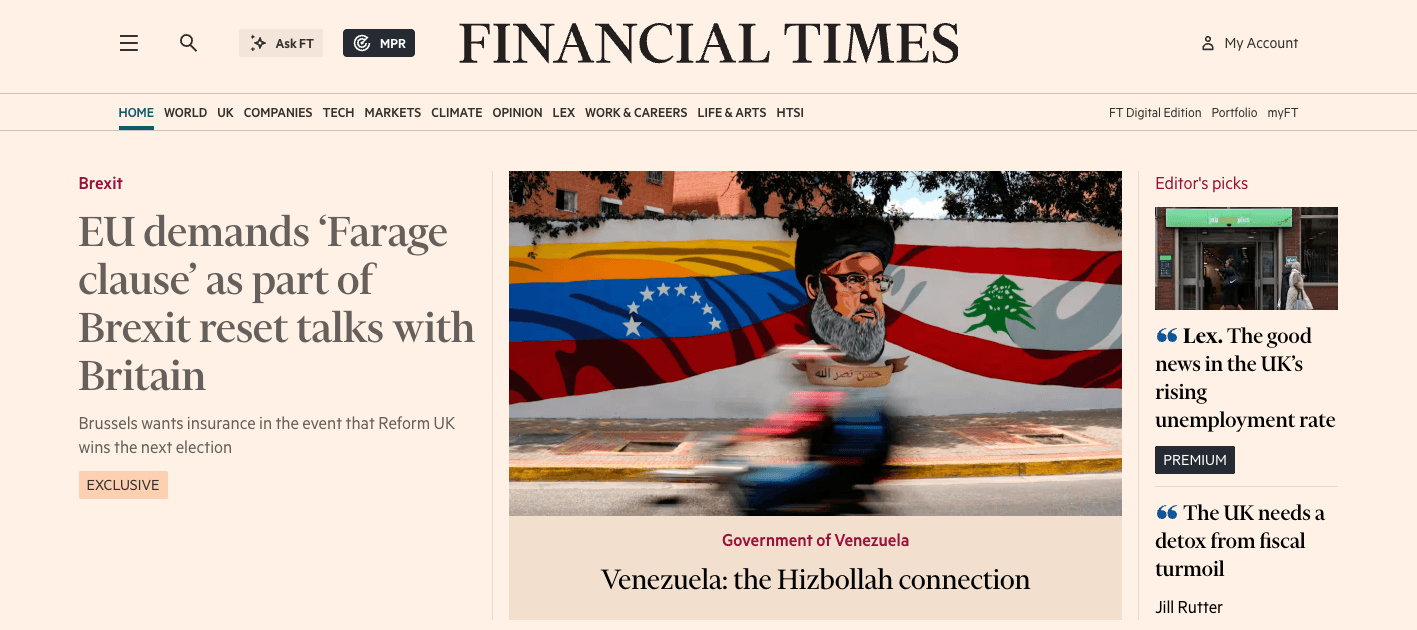
Over the past few months, it’s been a highlight to see work we’ve shipped — livestreaming, interactive capabilities, and clearer signalling around FT exclusives — consistently support major global news stories on the homepage. These are small, deliberate choices, but they materially shape how stories land and how readers engage and build habits over time.
Bots, search, and the internet as it is now
Year in a word: bots.
While none have declared their love for me in quite the way they did for the New York Times’s Kevin Roose, I spent a lot of time this year dealing with automated traffic and became hooked on following the traces left by bots — working out what they were really doing and how we should respond.
Bots stopped being an abstract concern and became a day-to-day product and business issue. This meant more scraping, more strain, and harder questions about how open FT.com should be, all without compromising reader experience, intellectual property, or the sustainability of our journalism.
This year, I helped shape a more deliberate approach to bot management: improving how we identify and respond to suspicious patterns, and codifying decisions about known bots and access to strengthen governance across platforms.
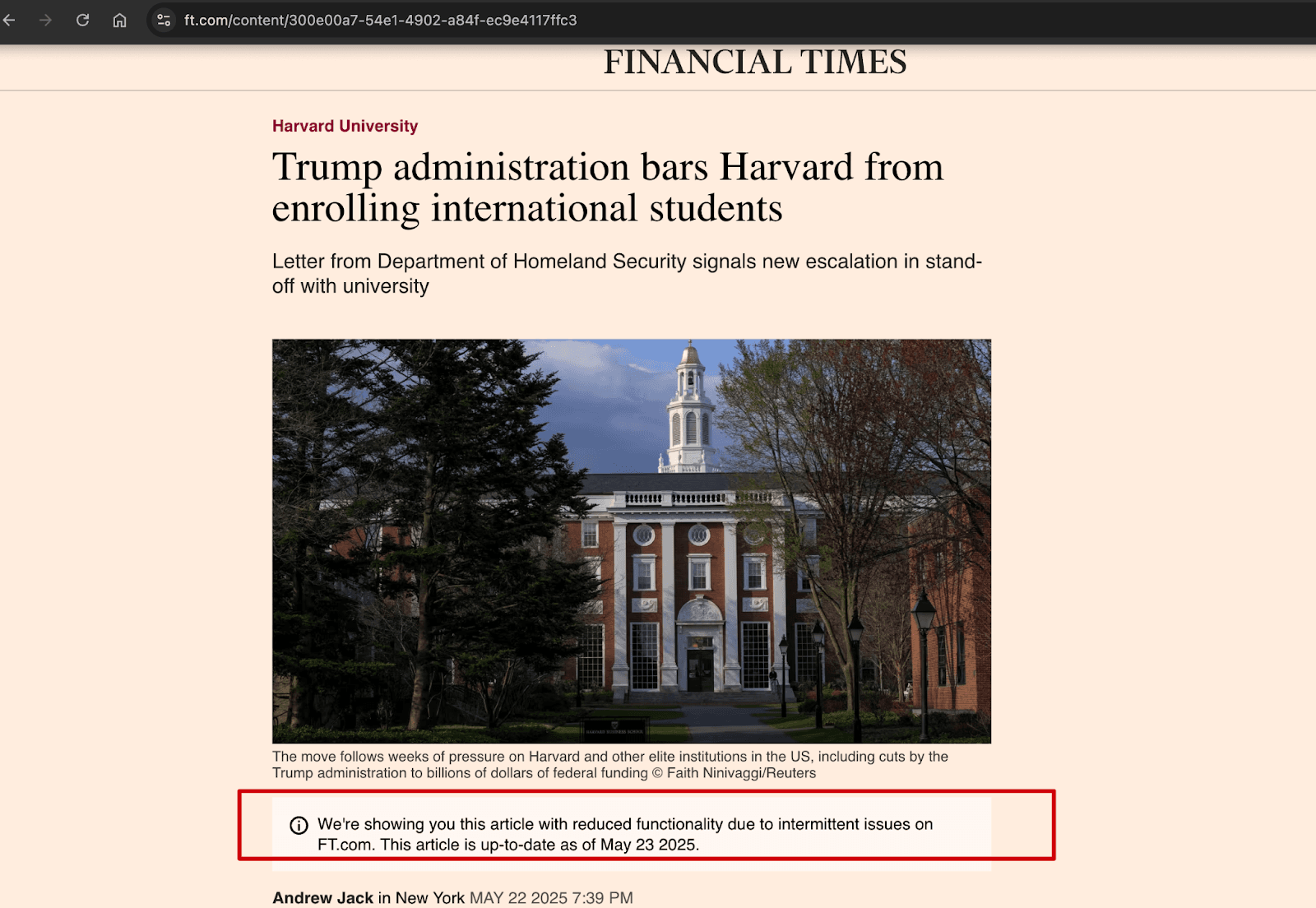
And for when it all goes wrong, one of the coolest things we shipped was an automated version of our fallback experience — Insurance Policy — that kept our content available for readers even when parts of our system ran into a blip.
Learning in unfamiliar rooms
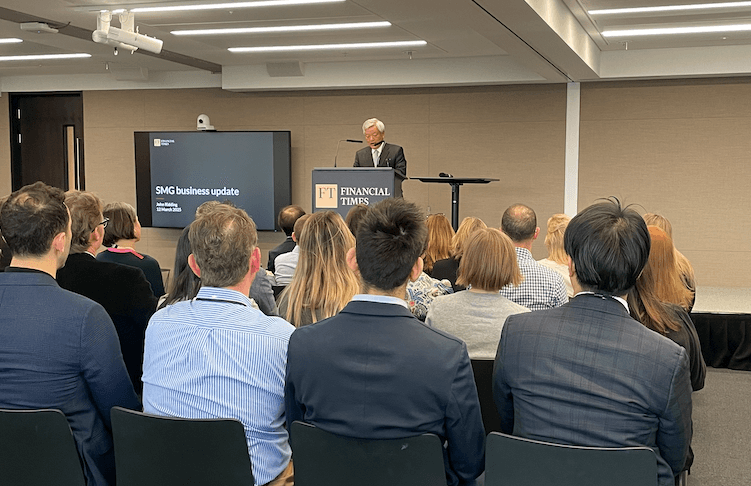
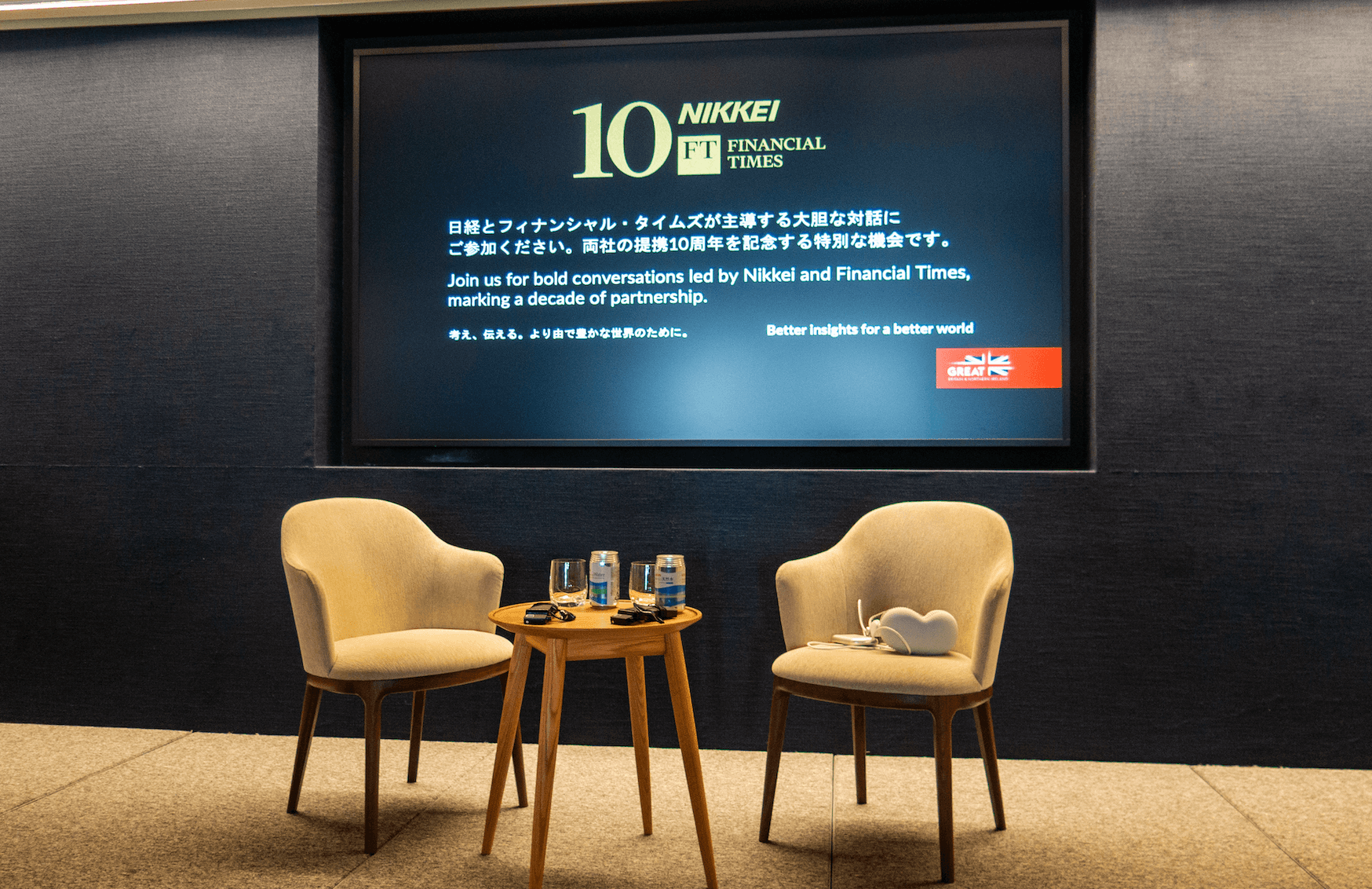
The experience of the Next Generation Board is hard to fully pin down, but it was an absolute highlight of my year. I remember feeling slightly trepidatious in the Bracken Room in February, around the boardroom table, as John Ridding — then CEO — welcomed us as the “Chanel No. 5” cohort of the NGB.
By the end of the year, having had a front-row view on a period of major change and a CEO transition, what struck me most was how quietly I’d become comfortable in those spaces without really noticing.
A lot of that growth came outside the boardroom, through the generosity of people involved in the programme — particularly my board pairing, James Lamont, then Director of Strategic Partnerships and former Managing Editor. James was incredible, pulling me into his world and sharing how he thinks about leadership and journalism.
That relationship, alongside those formed with my fellow NGB colleagues, became one of the most meaningful parts of my year.